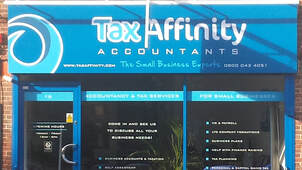
 Expert tax accountants & advisors for small & medium sized business & individuals On 6th March 2024 the UK Chancellor announced the Spring Budget for the UK. There were quite a few positive changes and the main points to help plan ahead are below:
Child Benefit Changes Starting April 2024, parents will receive Child Benefit as follows: £25.60 per week (£1,331 annually) for the eldest child and £16.95 per week (£881 annually) for additional children. Presently, if either parent's income exceeds £50,000, the High Income Child Benefit Charge (HICBC) takes effect, requiring repayment of Child Benefit once income surpasses £60,000. This necessitates completing a self-assessment tax return. As of April 6, 2024, the threshold rises to £60,000 with a gradual taper, fully recouping Child Benefit when income exceeds £80,000. By April 2026, the clawback assessment will shift to a "household income" basis, pending HMRC adjustments. The 2024 threshold increase will lower the combined tax rate (HICBC, income tax, and NIC) on incomes above £60,000, encouraging parents to earn more. Eventually, transitioning to a "household income" basis should create fairer outcomes for families, albeit HMRC implementation challenges may arise. Changing the Non-Domiciled (non-dom) status and tax treatment The government plans to end the current tax treatment for UK resident non-domiciled individuals (non-doms) starting April 6, 2025. This regime, in place for over 200 years, allowed UK residents with permanent homes abroad to avoid UK tax on foreign income and gains (FIG) unless brought into the UK. It also shielded non-UK assets from Inheritance Tax. As of April 6, 2025, the current remittance basis will be replaced by a new residence-based test lasting four years for those who have been non-UK residents for at least the prior ten tax years. During this period, newcomers won't pay tax on foreign income or trust distributions brought into the UK. However, they'll lose personal allowances and CGT exemptions. After four years, individuals will be taxed like other UK residents on worldwide income and gains. Transitional rules apply: non-doms moving from remittance to arising basis in 2025/26 will be taxed on 50% of foreign income; reduced rates for pre-6 April 2025 FIG remittances till 2027; and Capital Gains Tax rebasing for non-UK assets. Business Investment Relief continues. From April 6, 2025, settlor-interested trusts lose tax protection unless they qualify for the four-year FIG regime. Overseas workday relief remains for the first three years, depending on opting into the new regime. Inheritance Tax shifts from domicile to residence-based from April 6, 2025, with assets within ten years of UK residency potentially liable. UK sited assets remain subject to IHT. These changes simplify the non-dom tax system, but complexities persist. Transitional provisions offer time for adjustment. Current non-doms should consult their Tax Affinity adviser promptly as these are significant changes. National Insurance Class 1 Changes (Employed) Starting from an annual income of £12,570 up to £50,270, employees pay Class 1 National Insurance Contributions (NICs). The rate is currently 10% (down from 12% since January 6 this year). Above £50,270, the rate remains 2% for additional earnings. From April 6, 2024, the main rate will decrease by another 2% to 8%, potentially saving employees up to £63 monthly (£754 yearly). Employers' NICs, at 13.8% over the lower threshold, remain unchanged. This reduction benefits employees and may ease pressure on employers regarding wage hikes. Self-Employment Changes Self-employed individuals pay Class 4 NICs from £12,570 to £50,270 at 9% (dropping to 8% from April 6, 2024). Above this threshold, the rate stays at 2%. Starting April 6, 2024, the rate decreases by another 2% to 6%. This saves £30 for every £1,000 of profit, up to £1,131 annually for those paying at the main Class 4 NIC rate. Class 2 NICs were abolished from April 6, 2024, offering a positive financial change for the new tax year. Capital Gains Tax When you sell residential property and make a profit, you might owe Capital Gains Tax (CGT), except when it's your main home, which is CGT exempt. If the property wasn't always your main home, only part of the gain is taxable. Currently, residential property gains are taxed at 18% for basic rate band profits and 28% thereafter. Starting April 6, 2024, the higher rate reduces to 24% for property sales. Reporting the sale within 60 days from completion is crucial. Sales exchanged before April 6, 2024, may still be taxed at 28%. Landlords affected by the abolishment of Furnished Holiday Lets tax benefits from April 2025 will see changes. From April 6, 2025, furnished holiday lettings will be treated as property investment businesses, losing several tax benefits:
Investments The Budget introduced measures to encourage individual investing and foster a stronger savings culture. Here are the key points:
VAT threshold increased The government is raising the VAT registration threshold from £85,000 to £90,000 and the deregistration threshold from £83,000 to £88,000. These changes start on April 1, 2024. Over 28,000 businesses are expected to benefit by no longer needing to register for VAT in 2024-25. Conclusion Overall this is a much better budget than the previous autumn one presented in 2023. VAT announcement is decades overdue and the drop in NI thresholds don't make that much of a real world difference when price rise percentage is way higher then the percentage drop. And again the goverment did not address any of the large multinationals raking huge profits while small businesses and the public suffer. The sale of Natwest shares in a recession (that the government used tax payers money to bail out the bank recently) needs to be critically analysed more closely as to the effective timing of the sale and real time benefit for tax payers who directly paid for this out of their pockets. At times like these its even more important to have an experience and knowledgable tax accountant in your corner. By Anni Khan at Tax Affinity Accountants Tax Affinity Accountants are experts Business, Tax and Accountancy. With branches in Worcester Park and Kingston upon Thames and Epsom and Ewell they are considered in the Industry to be expert business accountants and tax advisors for both individuals and small & medium sized businesses (SME's). Helping and supporting both individuals and limited company owners / self employed people throughout the UK and the world, they regularly help clients grow their business providing tailored advice and support. Their support has been considered invaluable by many clients and key to their success. For more information visit www.taxaffinity.com. To read more interesting articles like this visit www.taxaffinity.com/blog. Please feel free to comment and share this with your friends.
0 Comments
Autumn statement 2023 main points for small and medium sized businesses (SME) and employees11/25/2023 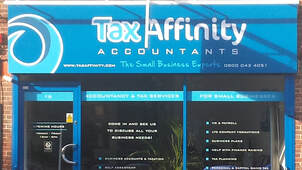 Expert Tax Accountants for small, medium sized businesesses & individuals Chancellor Jeremy Hunt has disclosed the UK government's fiscal plans for the upcoming year. On November 22, 2023, Hunt presented the Autumn Statement in the House of Commons, likely the last pre-election mini-budget, with Prime Minister Rishi Sunak hinting at a potential election in October 2025 next year.
The Office for Budget Responsibility (OBR) has concurrently unveiled its latest economic outlook for the UK. In response to last week's news of a drop in inflation to 4.6% for the year up to October, Conservative MPs had advocated for broader tax cuts, taking advantage of what was termed as 'fiscal headroom.' Consequently, the chancellor has indeed announced tax reductions in today's statement. The focus now turns to how these revelations might impact small businesses and the self-employed. Read on for key updates affecting this sector:
Despite receiving a little bit of positive feedback, reservations linger about the effectiveness of these reforms in bolstering the strained small business sector. The increase in minimum wages rates for employees will no doubt increase costs for SME's already suffering from high utility bills - and will ultimately mean smart business owners decease the days and hours of staff. The majority of small businesses already had access to small business rates relief so nothing changed there. Finally the much talked about CGT and IHT amendments did not materialise, neither was there any focus on reigning in large energy suppliers sapping the profits out of small and medium sized business to boost their annual profits. And the loss of class 2 NI is a blow for micro businesses and sole traders who needed it to top up their state pension contributions. Overall not impressed at all. By Anni Khan at Tax Affinity Accountants Tax Affinity Accountants are experts Business, Tax and Accountancy. With branches in Worcester Park and Kingston upon Thames and Epsom and Ewell they are considered in the Industry to be expert business accountants and tax advisors for both individuals and small & medium sized businesses (SME's). Helping and supporting both individuals and limited company owners / self employed people throughout the UK and the world, they regularly help clients grow their business providing tailored advice and support. Their support has been considered invaluable by many clients and key to their success. For more information visit www.taxaffinity.com. To read more interesting articles like this visit www.taxaffinity.com/blog. Please feel free to comment and share this with your friends.  Tax Affinity Accountants with their high street branches The Smart Move: Why You Should Use a Tax Accountant for Your Self-Assessment
In the world of personal finance, few things are as certain as taxes. Each year, individuals across the globe prepare to navigate the labyrinth of tax regulations, deductions, and forms required for their self-assessment. While some opt for the DIY approach, a growing number are discovering the numerous benefits of enlisting the expertise of a tax accountant. In this blog post, we'll explore why using a tax accountant for your self-assessment is not just a smart choice but often a financially savvy one. 1. Expertise and Knowledge: Tax accountants are professionals who specialize in tax laws and regulations. They stay up-to-date with the latest changes in tax codes and have the experience to navigate complex financial situations. This expertise can help you minimize your tax liability legally. 2. Maximize Deductions and Credits: Tax accountants have a keen eye for identifying deductions and credits that you might overlook. Their attention to detail can result in significant savings, ensuring you're not paying more taxes than necessary. 3. Reduce Stress and Save Time: Preparing your own taxes can be time-consuming and stressful. It often involves sifting through a mountain of paperwork and deciphering intricate tax jargon. Hiring a tax accountant frees up your time and reduces the stress associated with tax season. 4. Avoid Costly Mistakes: Filing taxes incorrectly can lead to penalties and audits. Tax accountants are trained to minimize errors and ensure that your return is accurate, reducing the risk of costly mistakes that can haunt you later. 5. Year-Round Assistance: A tax accountant's support isn't limited to just tax season. They can offer financial advice throughout the year, helping you make informed decisions to optimize your tax situation and financial health. 6. Audit Protection: If you're audited by tax authorities, having a tax accountant on your side can be invaluable. They can guide you through the audit process and ensure that your rights are protected. 7. Customized Strategies: Tax accountants can create personalized tax strategies that align with your financial goals. They consider your unique circumstances to help you make the most of available tax benefits. 8. Peace of Mind: Perhaps one of the most valuable aspects of hiring a tax accountant is the peace of mind it brings. Knowing that a professional is handling your taxes can alleviate anxiety and allow you to focus on other aspects of your life. 9. Cost Savings: Contrary to common belief, hiring a tax accountant can often result in cost savings. The deductions and credits they can uncover, combined with the reduction in errors, can more than offset their fees. 10. Legal and Ethical Compliance: Tax accountants operate within the bounds of the law and adhere to ethical standards. This ensures that your taxes are filed ethically and legally, eliminating any worries about potential legal repercussions. In conclusion, the decision to use a tax accountant like Tax Affinity for your self-assessment is an investment in your financial well-being. Their expertise, ability to maximize savings, and dedication to compliance can make the process smoother, more accurate, and less stressful. Ultimately, it's a smart move that can pay dividends in terms of both financial savings and peace of mind. So, this tax season, consider enlisting the help of a tax accountant like Tax Affinity and reap the rewards of a stress-free and financially optimized experience. By Anni Khan at Tax Affinity Accountants Tax Affinity Accountants are the number rated and recommended Tax Accountants in London. With branches in Worcester Park and Kingston upon Thames and Epsom and Ewell they are considered in the Industry to be expert business accountants and tax advisors for both individuals and small & medium sized businesses (SME's). Helping and supporting both individuals and limited company owners / self employed people throughout the UK and the world, they regularly help clients grow their business providing tailored advice and support. Their support has been considered invaluable by many clients and key to their success. For more information visit www.taxaffinity.com. To read more interesting articles like this visit www.taxaffinity.com/blog. Please feel free to comment and share this with your friends. a Tax Accountants Experience and expertise is highly valued in tax planning and hmrc investigations5/22/2023
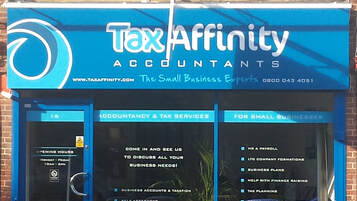 Tax Affinity expert tax accountants for help with planning and investigations Tax Affinity Accountants are rated as experts in Tax and Accounting Industry and because of our experience and expertise with Tax we can help clients to both legally minimise their tax and make the best plans for the future. We never recommend breaking any rules but instead using our expertise know that there is more than enough scope with the framework to legally reduce taxes and still have the peace of mind. And because we stay abreast with the latest changes and developments we are are always at the forefront of advising clients when things change. And you know your in safe hand because Tax Affinity are experts in tax law with a good working relationship with HMRC. There to there to help and support clients if they are involved in a HMRC tax or VAT investigation or have a Worldwide Disclosure / Let Property Campaign letter etc to respond to. We are always able to successfully support and guide clients to the best possible outcome. Just ask one of our many happy clients who sing our praises. Below is a list of just some of the things we can help with. If what your looking for is not listed we most likely are still able to do it but just didnt want to make the list too long. Give us a call and have a chat with one of our tax experts or come into one of our high street branches - we will be happy to help. - Inheritance tax planning for landlords with estates between £1million - £250million - Capital gains tax planning - Transferring properties into a limited company - Incorporation - Offshore tax planning - HMRC Tax and VAT Investigations - Code of Practice 8 and 9 investigations - Alternate Dispute Resolution - Tax Tribunals - Forensic Accounting - Worldwide Disclosure Facility - Let Property Campaign - HMRC Check of Self Assessment / Tax - Contractual Disclosure Facility (CDF) - Code of Practice 8 / 9 / 11 / 14 - Section 144 Enquiry - Section 12A TMA 1970 Notice Investigations - Code of Practice 11 (Local Compliance Offices) - Code of Practice 14 Investigation (Company Tax Return Investigations) By Anni Khan at Tax Affinity Accountants Tax Affinity Accountants are experts Business, Tax and Accountancy. With branches in Worcester Park and Kingston upon Thames and Epsom and Ewell they are considered in the Industry to be expert business accountants and tax advisors for both individuals and small & medium sized businesses (SME's). Helping and supporting both individuals and limited company owners / self employed people throughout the UK and the world, they regularly help clients grow their business providing tailored advice and support. Their support has been considered invaluable by many clients and key to their success. For more information visit www.taxaffinity.com. To read more interesting articles like this visit www.taxaffinity.com/blog. Please feel free to comment and share this with your friends.  Tax Affinity has high street branches for customers support The new UK Chancellor (yes another one...can you believe the UK had 4 Chancellors in 4 months in 2022) has given his first budget. And as before we have refined the main points and facts for business owners including SME's and entrepreneurs. So you can easily navigate and plan ahead with clarity.
The main points from the budget are: 1. Energy price guarantee for homes will remain at £2,500 extended for only 3 months until end of June. It was set to rise to £3,000 but that has now been cancelled. And no new support announced for business bills. 2. Corporation Tax for a limited company will rise from 19% to 25% from 6th April 2023. Small company's with profit of less than £50k will still pay the lower 19%. But companies with profits between £50k to £250k have to pay between 19% and 25% but are allowed to claim marginal relief. Company profits over £250k will be taxed at 25%. And companies with group ownership of other companies may end paying close to 26.5% (effectively) because the corporation tax for Group Companies was increased also - sadly all important details missed by the main stream media. 3. Tax-free yearly allowance for pension cash out to rise from £40,000 to £60,000 after being the same for the past 9 years. 4. Fuel duty (tax) frozen so the 5p cut to fuel duty/tax on petrol and diesel which was due to end in April, has been extended for another year. 5. Maximum amount a worker can accumulate in pensions over their lifetime before paying extra tax currently £1.07 Million will be cancelled. Now there is no limit. 6. Tax on tobacco to increase by 2% above inflation for normal and 6% above inflation for hand-rolling tobacco. 7. Those who are already drawing down on their pensions, the total amount they can save tax free under the Money Purchase Annual Allowance is increased from £4,000 to £10,000 from April 2023. 8. 30 hours of free childcare for working parents in England expanded to cover 9 months to three year olds. 9. New £600 "incentive payment" for people becoming childminders, and the rules have been changed in England to let childminders look after more children. 10. Immigration rules to be relaxed for five roles in the construction sector, to ease labour shortages in the Industry. These categories are:
11. Super deduction of 130% will end on 31/03/23 and move back to 100% AIA for plant and machinery purchased and can be used directlty against corporation tax payable. A list of typical purchases is lasting until 31/03/26:
If your worried how these will effect you and need more specific guidance to help your business carry on growing during turbulent times then contact one of our Tax Affinity expert business advisors today (click here). With their countless years of knowledge and expertise they can guide your business to success even in the toughest of economic conditions. By Anni Khan at Tax Affinity Accountants Tax Affinity Accountants are experts Business, Tax and Accountancy. With branches in Worcester Park and Kingston upon Thames and Epsom and Ewell they are considered in the Industry to be expert business accountants and tax advisors for both individuals and small & medium sized businesses (SME's). Helping and supporting both individuals and limited company owners / self employed people throughout the UK and the world, they regularly help clients grow their business providing tailored advice and support. Their support has been considered invaluable by many clients and key to their success. For more information visit www.taxaffinity.com. To read more interesting articles like this visit www.taxaffinity.com/blog. Please feel free to comment and share this with your friends.  Tax Affinity Accountants with high street branches for face to face support Economic conditons rise and fall but one thing is certain the most successful small to medium sized businesses always keep growing and increasing their profits. So how do they do that? Well here at Tax Affinity we are expert business advisors and we help and support thousands of business owners in the UK and overseas with exactly that.
Giving business owners tailored and specific advice to help keep their business growing and increasing in profits no matter what the economic conditions. In short giving everyone the same level of guidance and support that large corporate CEO's get but for a fraction of the price. Why? Because we feel everyone should have access expert support especially small and medium sized businesses because they are the engines and driving force of every economy. So here is a quick list to get you started and when you need more specific and tailored support contact us and we will be happy help. 1. Change the way you do things Simply you will need to generate more sales while decreasing expenses. Sounds easy but in reality it can be quite hard. To increase your sales you may have to change the way you do business and start offering new goods and services that complement your current goods and services. To reduce expenses, keep an eye on expenses and start to identify which ones are excessive and a waste of income. Find out if some parts of your admin work that can be outsourced to reduce wages bills eg accountancy, payroll, vat etc. We at Tax Affinity often help clients by taking over the work load from business owners helping them cut costs and increase profit. Look closely at employees and identify the ones who are less productive and cut down their hours to part time from full time or simply let them go. Switch suppliers of utilities and explore new cheaper or free energy sources such as solar power or a rain collection tanks on the roof for the washrooms. 2. Motivate new customers to try your product/service Another quick fix to increase profits is motivating new customers to try your products and services with specials deals, discounts, or short-term giveaways. Maybe think about a relationship-based sales model that gets customers coming back by offering monthly or annual subscriptions, or a grouped bundle of visits at a discounted price. 3. Stay in front of the customer make sure to be available See what can sets you apart from your competition. Regularly check and promote your positive reputation. Use your website, emails and social media to connect with clients. Think about sharing advertising with a complementary business and find ways to get referral sales using affiliate marketing to get new customers. Plus get rid of old, unproductive business alliances that may be dragging you down. Check their reputation - if they are going down then your perceved to be the same too by association. Do more marketing and networking by setting up group meetings online, offer online downloads and access to shared info. 3. Maximising your cashflow Cashflow is king and making sure you always have enough is very important. Chase customers to pay on time and make sure that you add charges for late or delayed payments. If they do pay late then you will be paid more. Some people say offer a reduced monthly payment plan to lock in clients longer term, we don't agree because its a universal law that the cream always rises to the top and the best don't discount because they are the best. Get better instead of cheaper. 4. Dump useless employees All businesses have employees who steal, or work purposely slow etc. Identify them and replace them with new more enthusiatic and efficient ones. They are just another asset in the business and your not responsible for them and their families. They should have bore that in mind before being lame at work. Think about automation which may allow your business to use software or robots for work and reduce monthly wages bills . 5. Make Everyone a Salesperson From telephone to email to face-to-face meetings, every employee has the opportunity to spread your company's message and engage in potential sales-generating behavior. Everyone needs to pitch in to help by cutting costs, selling, networking on the web, marketing, and more. If you can get your employees invested and motivated to sell your message by encouraging self-development through roundtables, conferences, lunch meetings, and webinars you'll be well on your way to creating an organization that is built around increasing profits. Remember, it pays dividends to reward your employees that seek continuing education, or who make an extra effort to represent the company inside and outside of work. By Anni Khan at Tax Affinity Accountants Tax Affinity Accountants are experts Business, Tax and Accountancy. With branches in Worcester Park and Kingston upon Thames and Epsom and Ewell they are considered in the Industry to be expert business accountants and tax advisors for both individuals and small & medium sized businesses (SME's). Helping and supporting both individuals and limited company owners / self employed people throughout the UK and the world, they regularly help clients grow their business providing tailored advice and support. Their support has been considered invaluable by many clients and key to their success. For more information visit www.taxaffinity.com. To read more interesting articles like this visit www.taxaffinity.com/blog. Please feel free to comment and share this with your friends.  With only a few working days left. This is an important reminder that if you have not already had your 2021-22 personal tax return done. All 21/22 tax returns (self assessments) need to be calculated & submitted to HMRC before the 31st January 2023 and any tax payable for the year to be paid by that date also. And we recommend this is urgently done and you contact us today. If you had it done or do not need it then ignore this reminder.
As per last year HMRC is saving money & will not send postal reminders. They now choose instead to collect money through letters of fines for missed deadlines saying 'all tax payers should be aware of the self assessment deadline, and not expect HMRC to remind them'. With fines starting at £100 rising to £1300 plus interest for late filing and payment even if you had no tax to pay, there really is no excuse to not have it done as soon as possible so get in touch today and ensure its calculated and declared by professional tax accountant, someone who will make sure to look after your best financial interests while freeing you up to concentrate on the things your love. To complete the 2021/2022 self assessment you will need the following information:
Tax Affinity Accountants are experts Business, Tax and Accountancy. With branches in Worcester Park and Kingston upon Thames and Epsom and Ewell they are considered in the Industry to be expert business accountants and tax advisors for both individuals and small & medium sized businesses (SME's). Helping and supporting both individuals and limited company owners / self employed people throughout the UK and the world, they regularly help clients grow their business providing tailored advice and support. Their support has been considered invaluable by many clients and key to their success. For more information visit www.taxaffinity.com. To read more interesting articles like this visit www.taxaffinity.com/blog. Please feel free to comment and share this with your friends. 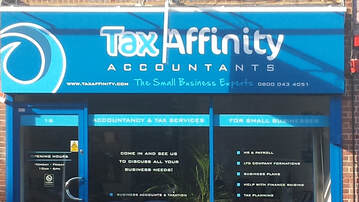 Tax Affinity Accountants your local experts with high street branches On 17/11/2022 Jeremy Hunt the Chancellor for the UK Governments expressed their plans for the coming year and the contents of his autumn budget. As before we have read thorugh the detailed report and listed the main bullet points for small business and the self employed.
Personal Income Tax There are no changes to the personal tax thresholds. And they will remain at the current level until April 2028. This also includes the National Insurance Contribution threshold for PAYE and self employed. Minimum wage for people aged over 23 to increase from £9.50 to £10.42 an hour from April 2023 Company Dividend Tax-Free Allowance (DIV) The dividend tax free allowance threshold will be reduced from £2,000 to £1,000 from April 2023. And this will be reduced even more in 2024-25 to £500. Additional Rate of Income Tax (Higher Tax band) From April 2023, the higher rate band will be reduced from £150,000 to £125,140. Which means anyone earning above £125,140 will now be taxed at the 45%. Apart for Scotland. Annual Investment Allowance (AIA) The Annual Investment Allowance will be permanently set at £1 million to help promote growth in the economy. Corporation Tax (CT600) From April 2023, the Corporation Tax is due to increase to 25% if a company’s profits exceed £250,000. Companies whose profits are between £50,001 to £250,000 will be subject to a tapered relief. Companies whose profits fall below £50,000 will remain at the current level of 19%. Capital Gains Tax-Free Allowance (CGT) Also rumoured before the budget, the threshold for Capital Gains Tax will be reduced from £12,300 to £6,000 from April 2023. Similarly to the dividend allowance, a further reduction will be seen in 2024-25 to £3,000. Employment Allowance (Employer NIC) The Employment NIC Allowance will stay at £5,000 meaning that eligible employers. Road Tax Electric cars, vans and motorcycles will start to pay road tax from April 2025. Energy The household energy price cap has been extended for one year beyond April 2023 but has been made less, with typical bills capped at £3,000 instead of £2,500 a year. By Anni Khan at Tax Affinity Accountants Tax Affinity Accountants are experts Business, Tax and Accountancy. With branches in Worcester Park and Kingston upon Thames and Epsom and Ewell they are considered in the Industry to be expert business accountants and tax advisors for both individuals and small & medium sized businesses (SME's). Helping and supporting both individuals and limited company owners / self employed people throughout the UK and the world, they regularly help clients grow their business providing tailored advice and support. Their support has been considered invaluable by many clients and key to their success. For more information visit www.taxaffinity.com. To read more interesting articles like this visit www.taxaffinity.com/blog. Please feel free to comment and share this with your friends.  Tax Affinity Accountants - high street branches The UK now has a new PM Rishi Sunak after the shock resignation of the previous PM Liz Truss due the GBP (Sterling) stock market crashing after the announcment of her mini budget just weeks ago. So the new Chancellor Jeremy Hunt announced a raft of reversals listed below that seem to have temporarily reassured the markets and IMF etc. But what are they in a quick short read - well see below: 1. Cut to Corporation tax down to 19% from 25% - cancelled 2. Removal of 45% higher rate tax - cancelled 3. Personal Income tax cut from 20% to 19% - cancelled 4. Alcohol duty freeze - cancelled 5. VAT free shopping for overseas visitors - cancelled 6. National Insurance reverse of 1.25% - retained 7. No stamp duty on first £250,000 - retained 8 First time buyers no stamp duty on first £425,000 - retained 9. IR35 rules reversal - cancelled 10. Removal of bankers bonus cap - retained 11. Freeze on energy bills for 2 years - amended to 6 months only now By Anni Khan at Tax Affinity Accountants Tax Affinity Accountants are experts Business, Tax and Accountancy. With branches in Worcester Park and Kingston upon Thames and Epsom and Ewell they are considered in the Industry to be expert business accountants and tax advisors for both individuals and small & medium sized businesses (SME's). Helping and supporting both individuals and limited company owners / self employed people throughout the UK and the world, they regularly help clients grow their business providing tailored advice and support. Their support has been considered invaluable by many clients and key to their success. For more information visit www.taxaffinity.com. To read more interesting articles like this visit www.taxaffinity.com/blog. Please feel free to comment and share this with your friends.  No. 1 Rated Expert Accountants & Tax Advisors UK Chancellor, Kwasi Kwarteng announced a series of tax cuts & changes in his mini-budget on 23rd Sept 2022, and yesterday did a U-turn on cancelling the drop from 45% to 40% on the highest tax rate. A quick list of how the mini-budget will affect tax payers is listed below: 1. Income taxes The top rate of income tax for those earning more than £150,000 per annum was reduced from 50% to 45% by a previous Chancellor in 2013 this was planned to be lowered to 40% but has now been cancelled by the government U-turn and will remain at 45%. From 6th April 2023 the rate of income tax on income between £12,571 & £50,270 per annum will be reduced from 20% to 19%. 2. National Insurance reversal Chancellor confirms the 1.25 percentage national insurance rise introduced earlier this year by the previous Chancellor will be cancelled from 6th November 2022 i.e. from December’s payslip onwards. 3. Stamp duty cut Before there was no stamp duty to pay on the first £125,000 of a property’s value. It has now been doubled to £250,000. The no stamp duty threshold for first-time buyers will rise from £300,000 to £425,000. The max property value for first-time buyers’ stamp duty relief will rise from £500,000 to £625,000. 4. Corporation tax stays at 19% Corporation tax rises have been scrapped, the previous Chancellor Rishi Sunak announced that the rate of corporation tax would be increasing from 19% to 25%, from 6th April 2023. So now businesses with profits below £50,000 will stay at the 19% rate, as well as businesses with profits over £250,000 that were meant to pay 25% rate ie everyone stays at 19%. 5. Changes to IR35 From 6th April 2023, the previous IR35 rules introduced in 2017 and 2021 have been reversed. Allowing individuals to contract instead of work as employees again ie self employed off-payroll working through a limited company. The changes mean its up to the contractors themselves to make sure they have the right status and are paying the right amount of tax instead of putting the burden on employers. 6. Strikes legislation The government says it will legislate to stop “militant trade unions” from closing down key infrastructure through strikes. The laws will require unions to put pay offers to a member vote, to ensure strikes can only be called once pay talks have genuinely broken down, he says. 7. Investment zones The government confirmed that almost 40 investment zones will be created with tax breaks for businesses. Areas included are the West Midlands ,Tees Valley, Norfolk and the west of England etc. 8. Energy Bills Freeze household energy bills at £2,500 for a typical household and a price cap on energy bills for commercial properties also. 9. Investment (AIA) Annual investment allowance, the total amount a company can invest tax free, stays at £1 Million. New & start-up companies are able to raise up to £250,000 under a scheme giving tax relief to investors in their business Share options for (PAYE) employees doubled from £30,000 to £60,000 10. Bankers’ bonuses Chancellor confirms the bankers’ bonus cap will be scrapped. By Anni Khan at Tax Affinity Accountants Tax Affinity Accountants are experts Business, Tax and Accountancy. With branches in Worcester Park and Kingston upon Thames and Epsom and Ewell they are considered in the Industry to be expert business accountants and tax advisors for both individuals and small & medium sized businesses (SME's). Helping and supporting both individuals and limited company owners / self employed people throughout the UK and the world, they regularly help clients grow their business providing tailored advice and support. Their support has been considered invaluable by many clients and key to their success. For more information visit www.taxaffinity.com. To read more interesting articles like this visit www.taxaffinity.com/blog. Please feel free to comment and share this with your friends. |
Various AuthorsOur experienced accountants and tax advisers provide valuable insights into practical every day questions and issues. Archives
March 2024
Categories
All

Ask your own question: If you would like to have a tax related question answered here, please send your question to [email protected]. |

 RSS Feed